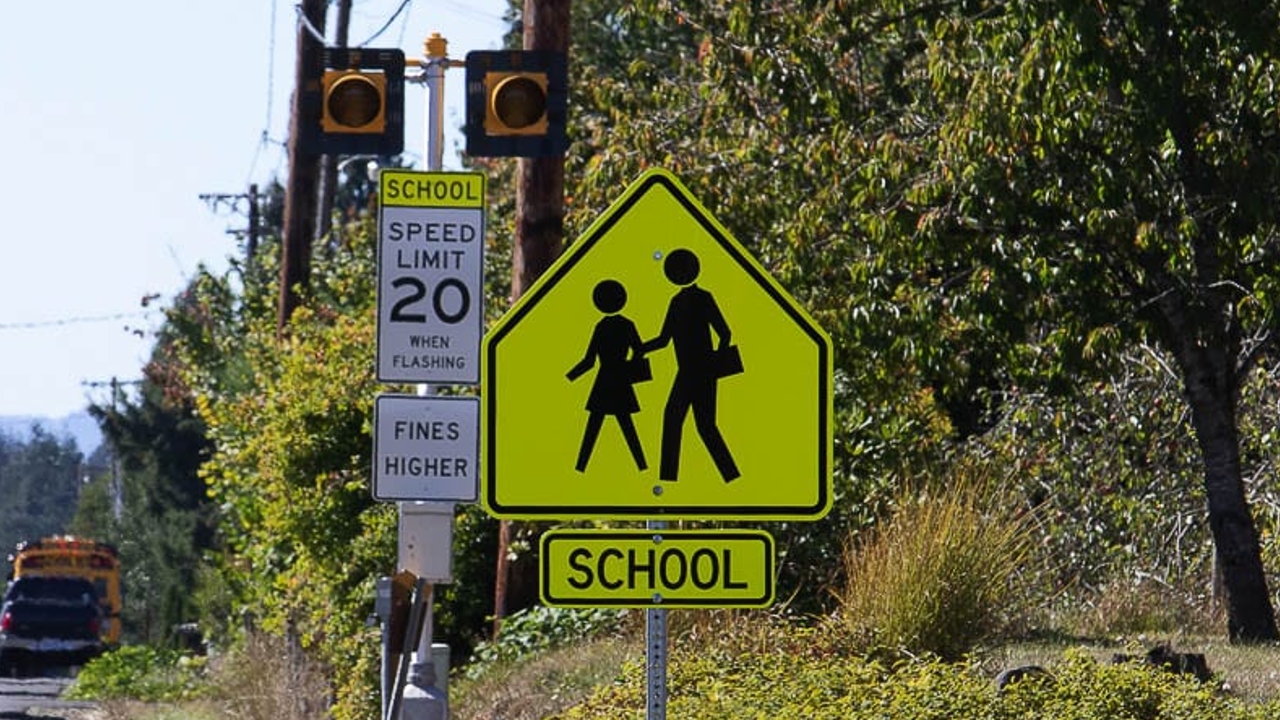

School zone signs play a crucial role in ensuring the safety of children, pedestrians, and drivers around school areas. They are more than just traffic signs; they are vital tools for creating a secure environment for students commuting to and from school. In areas bustling with young pedestrians and increased vehicular activity, these signs act as essential guides for drivers to navigate safely and responsibly. In this article, we will delve into the significance of school zone signs, their types, and the benefits they provide to communities.
School zone signs serve as critical indicators that alert drivers to reduce speed and exercise caution when driving through areas where children are likely to be present. These signs are strategically placed to ensure that drivers have ample time to adjust their speed and be vigilant for any unexpected movements by children or other pedestrians. By clearly marking areas of high pedestrian activity, these signs help to mitigate risks and prevent accidents that could result in serious injury or even fatalities.
The presence of school zone signs also helps to establish a clear set of expectations for drivers. By consistently reminding them of the need to slow down and be cautious, these signs contribute to a disciplined driving culture. This culture not only protects children but also other pedestrians and cyclists who use these routes. The psychological impact of seeing these signs often prompts drivers to adopt safer driving habits, even beyond the boundaries of school zones.
Types of School Zone Signs
There are several types of school zone signs, each designed to communicate specific information to drivers and pedestrians. Understanding the different types can help ensure that everyone remains safe in school zones. These signs can vary in design and placement, but their core purpose remains the same: to protect children and other vulnerable road users.
Each type of sign plays a unique role in reinforcing safety. Some signs warn of an approaching school zone, while others indicate the need for reduced speed or alert drivers to pedestrian crossings. The effectiveness of these signs is enhanced when they are part of a broader, well-planned traffic management strategy that includes road markings, flashing lights, and other visual cues.
School Zone Ahead Sign
The «school zone ahead» sign is a warning sign placed before the actual school zone begins. It serves as an advance notice to drivers that they are approaching a school zone and should prepare to slow down. This sign is typically yellow with black lettering and is highly visible to ensure that drivers can easily spot it. Its strategic placement allows drivers to anticipate changes in traffic conditions, giving them time to adjust their driving behavior accordingly.
The effectiveness of the «school zone ahead» sign is rooted in its ability to prepare drivers mentally for the upcoming zone. By providing an early warning, it reduces the likelihood of sudden braking or erratic driving, which can be dangerous for both drivers and pedestrians. This advanced notice is especially crucial in areas where the school zone might not be immediately visible due to curves or other visual obstructions.
Standard School Zone Sign
The standard school zone sign marks the beginning of the school zone. It usually indicates the reduced speed limit that must be adhered to during certain hours when children are likely to be present. This sign is crucial for enforcing speed limits and protecting children from traffic accidents. Drivers are reminded that they are entering a zone where extra caution is necessary, and this is often reinforced with visual cues like flashing lights or road markings.
Adherence to the speed limits set by these signs is vital for ensuring the safety of children who may be crossing roads or walking along sidewalks. The reduced speed allows drivers more time to react to unexpected movements, such as a child darting into the street. In many communities, law enforcement agencies actively monitor compliance with these speed limits, further underscoring their importance and encouraging drivers to take them seriously.
School Crossing Sign
The school crossing sign is often placed near crosswalks used by students to get to and from school. It alerts drivers to the presence of children crossing the street and reinforces the need for drivers to stop and yield to pedestrians. These signs are typically placed at locations with high foot traffic and are often accompanied by additional safety measures such as crossing guards or flashing beacons.
The presence of school crossing signs is a critical component of pedestrian safety strategies. They serve as a visual cue to drivers that they are entering a zone where pedestrian right-of-way is paramount. This is especially important during peak school hours when children are arriving or leaving. The design and placement of these signs aim to maximize visibility and awareness, reducing the risk of accidents and ensuring a safe passage for young pedestrians.
Why School Zone Signs Are Important
School zone signs are essential for several reasons, all of which contribute to the safety and well-being of children and the community at large. They serve as a constant reminder of the need for vigilance and caution in areas where young pedestrians are likely to be present. By clearly marking these zones, they help to create a protective environment for children as they travel to and from school.
The importance of school zone signs extends beyond immediate safety concerns. They also play a crucial role in shaping community attitudes towards road safety and responsible driving. When drivers consistently encounter these signs, they become more aware of their surroundings and the potential dangers posed by driving recklessly. This heightened awareness contributes to a culture of safety that benefits everyone in the community.
Enhancing Child Safety
The primary purpose of school zone signs is to protect children from traffic-related incidents. Children are often unpredictable and may not always be aware of traffic rules. School zone signs remind drivers to exercise caution and slow down, reducing the risk of accidents. This is particularly important as children may not fully understand the dangers posed by vehicles or may act impulsively without considering their surroundings.
By enforcing a reduced speed limit, school zone signs give drivers more time to react to unexpected movements by children. This increased reaction time can mean the difference between a close call and a tragic accident. The presence of these signs also reassures parents and guardians that their children have a safer environment in which to travel to and from school, fostering a sense of security and peace of mind.
Reducing Speed in Critical Areas
By enforcing lower speed limits in school zones, these signs help to create a safer environment for children and other pedestrians. Lower speeds give drivers more time to react to unexpected situations, such as a child suddenly crossing the street. This proactive approach to speed management is a key factor in preventing accidents and ensuring the safety of all road users.
The implementation of reduced speed limits in school zones is supported by extensive research showing that lower speeds significantly reduce the severity of accidents. In addition to protecting pedestrians, slower speeds also enhance the overall flow of traffic, reducing the likelihood of congestion and improving the efficiency of road networks. This contributes to a safer, more pleasant environment for everyone who uses the roads.
Increasing Driver Awareness
School zone signs serve as constant reminders to drivers that they are entering an area with higher pedestrian activity. This awareness encourages drivers to stay alert and focused on the road, minimizing distractions that could lead to accidents. The presence of these signs acts as a psychological trigger, prompting drivers to adjust their behavior and prioritize safety over convenience.
Increased driver awareness is a crucial component of effective road safety strategies. When drivers are conscious of the potential risks in school zones, they are more likely to engage in responsible driving practices, such as maintaining a safe following distance and avoiding distractions like mobile phones. This heightened awareness reduces the likelihood of accidents and contributes to a safer environment for all road users.
The Impact of School Zone Signs on Communities
School zone signs do more than just protect children; they have a positive impact on the entire community. By promoting a culture of safety and responsibility, these signs help to create a more cohesive and supportive community environment. This impact extends beyond the immediate vicinity of schools, influencing driving behavior and attitudes towards road safety throughout the area.
The presence of school zone signs is also an indicator of a community’s commitment to the well-being of its residents. When local authorities invest in effective signage and other safety measures, it demonstrates a proactive approach to protecting the most vulnerable members of the community. This commitment fosters trust and cooperation between residents and local government, strengthening community bonds and enhancing overall quality of life.
Promoting a Culture of Safety
Communities that prioritize the safety of their children by implementing effective school zone signage create a culture of safety. This culture extends beyond school zones, encouraging safe driving practices throughout the community. When drivers consistently encounter school zone signs, they are reminded of the importance of responsible driving, leading to safer roads for everyone.
A culture of safety is not only beneficial for reducing accidents but also for fostering a sense of community pride and responsibility. When residents see that their community values safety and takes concrete steps to protect its members, they are more likely to engage in behaviors that support these goals. This collective commitment to safety enhances the quality of life for all residents and creates a more supportive and inclusive community environment.
Encouraging Walking and Biking
When parents and children feel that school zones are safe, they are more likely to walk or bike to school. This not only promotes a healthy lifestyle but also reduces traffic congestion and pollution around schools. By encouraging walking and biking, school zone signs contribute to healthier, more active communities and help to reduce the environmental impact of daily commutes.
Increased walking and biking also have social benefits, as they provide opportunities for children and parents to interact with each other and their community. These interactions can strengthen community bonds and foster a sense of belonging and connection among residents. Additionally, by reducing the reliance on cars for short trips, communities can decrease their carbon footprint and contribute to a more sustainable future.
Building Community Trust
Effective school zone signage demonstrates a community’s commitment to the safety and well-being of its residents. This fosters trust between community members and local authorities, as residents see tangible efforts to protect their children. When communities prioritize safety and invest in effective signage, they send a message that the well-being of residents is a top priority.
Building community trust is essential for fostering cooperation and collaboration between residents and local government. When residents feel that their concerns are being addressed and that their safety is being prioritized, they are more likely to support community initiatives and engage in civic activities. This trust enhances the overall resilience and cohesion of the community, enabling it to respond more effectively to challenges and opportunities.
How to Improve School Zone Safety
While school zone signs play a vital role in ensuring safety, there are additional measures that communities can take to enhance safety in school zones. By implementing a comprehensive approach to school zone safety, communities can create an even safer environment for children and other vulnerable road users. This approach involves a combination of physical infrastructure improvements, educational initiatives, and the use of technology to support and enhance existing signage.
To maximize the effectiveness of school zone safety measures, communities should engage in ongoing evaluation and improvement efforts. By regularly assessing the impact of different strategies and making adjustments as needed, communities can ensure that their safety initiatives remain effective and responsive to changing conditions. This proactive approach helps to maintain a high standard of safety and ensures that school zones continue to be safe and welcoming environments for all.
Implementing Traffic Calming Measures
Traffic calming measures, such as speed bumps, raised crosswalks, and curb extensions, can complement school zone signs by physically slowing down traffic and improving pedestrian visibility. These measures are designed to reduce vehicle speeds and enhance safety by creating an environment where drivers are naturally encouraged to drive more cautiously.
By incorporating traffic calming measures into school zones, communities can create a more pedestrian-friendly environment that prioritizes the safety of children and other vulnerable road users. These measures can also enhance the aesthetic appeal of school zones, creating more pleasant and inviting spaces for residents and visitors. By investing in traffic calming measures, communities can create safer, more attractive environments that benefit everyone.
Educating Drivers and Pedestrians
Community education campaigns can raise awareness about the importance of school zone safety. Workshops, flyers, and school programs can teach both drivers and pedestrians how to navigate school zones safely. By providing education and training, communities can empower residents with the knowledge and skills they need to protect themselves and others.
Education initiatives can also help to foster a sense of shared responsibility for safety among all road users. By encouraging collaboration and cooperation, these initiatives can create a more supportive and inclusive community environment. Additionally, education efforts can help to reinforce the importance of adhering to traffic laws and regulations, promoting a culture of safety and respect on the roads.
Utilizing Technology
Technology can be leveraged to improve school zone safety. Speed cameras and digital speed display signs can reinforce speed limits and remind drivers to slow down. Additionally, apps and online maps can provide real-time information about school zone locations and hours. By incorporating technology into school zone safety efforts, communities can enhance the effectiveness of existing measures and create a more responsive and adaptive safety environment.
Technology can also help to increase transparency and accountability in school zone safety efforts. By providing real-time data and feedback, communities can monitor the effectiveness of different strategies and make informed decisions about how to improve safety. By embracing technology, communities can create a more dynamic and responsive approach to school zone safety that benefits everyone.
Conclusion
School zone signs are an integral part of ensuring the safety of children, pedestrians, and drivers in areas around schools. By alerting drivers to reduce speed and exercise caution, these signs help prevent accidents and create a safer environment for everyone. Communities benefit from the presence of school zone signs through enhanced safety, increased walking and biking, and a stronger sense of trust among residents. By continuing to prioritize school zone safety and implementing additional measures, communities can protect their most vulnerable members and promote a culture of safety for all.
Investing in school zone safety is an investment in the future of our communities. By creating safe, welcoming environments for children and other vulnerable road users, we can foster healthier, more vibrant communities that prioritize the well-being of all residents. Through a combination of effective signage, traffic calming measures, education initiatives, and technology, we can create a safer, more inclusive world for everyone.




Добавить комментарий