-
 Continue reading →: Impact of School Closures in Louisiana
School closures are an issue that affects many communities, and Louisiana is no exception. The reasons for these closures can vary, from weather-related events to budget constraints. In this article, we will delve into the impact of school closures in Louisiana, focusing on both the immediate and long-term effects on students, families, and the community. School closures in Louisiana often occur due to severe weather conditions, such as hurricanes and floods. South Louisiana, in particular, is prone to these natural disasters, which can lead to temporary or even long-term school closures. Additionally, financial constraints can force districts to close schools or consolidate resources, impacting the quality of education students receive. Weather-Related School Closures Weather is a significant factor in school closures across the state. Louisiana’s geographical location makes it susceptible to hurricanes, tropical storms, and heavy rainfall. When these weather events occur, schools must prioritize the safety of students and staff, often leading to closures. Immediate Impact on Students When schools close due to weather, students miss valuable classroom time. This disruption can lead to gaps in learning, especially if closures are prolonged. Teachers may struggle to cover all the required material in a shortened timeframe, potentially impacting students’ academic performance. Long-Term Educational Consequences Prolonged closures can have lasting effects on students’ education. Over time, repeated interruptions can lead to lower test scores and reduced college readiness. Students may also experience a decline in social skills and extracurricular participation, which are essential for overall development. Economic Implications of School Closures School closures in Louisiana also have economic implications. When schools close, parents often need to find alternative childcare, which can be costly and inconvenient. This situation can be particularly challenging for low-income families who may not have the resources to afford additional childcare. Financial Strain on Families For many families, school closures mean additional expenses. Parents might need to take time off work or pay for daycare services, which can strain household budgets. In some cases, families might even experience a loss of income, as taking time off work might not be feasible. Impact on Local Businesses Local businesses can also feel the impact of school closures. Schools are often integral parts of the community, and closures can lead to decreased foot traffic and revenue for nearby establishments. Businesses that rely on school events, such as sports games or performances, may experience financial losses when schools are closed. Community and Social Effects The closure of schools in Louisiana affects more than just students and their families. It can have a broader impact on the community as a whole, disrupting routines and social structures. Loss of Community Hub Schools often serve as community hubs, providing a space for events, meetings, and social gatherings. When schools close, these activities are disrupted, leading to a loss of community cohesion and connection. Residents may find it challenging to stay engaged with community initiatives and programs. Mental Health Concerns School closures can also impact the mental health of students and families. The uncertainty and disruption caused by closures can lead to increased stress and anxiety. Students may feel isolated without the social interaction and support they receive at school, impacting their overall well-being. Solutions and Mitigation Strategies While school closures are sometimes unavoidable, there are strategies that can help mitigate their impact on education and the community. Remote Learning One solution is to implement remote learning programs. By providing students with the necessary technology and resources, schools can ensure that education continues even when physical buildings are closed. However, it’s crucial to address the digital divide to ensure all students have equal access to remote learning opportunities. Community Support Programs Communities can also develop support programs to assist families during school closures. This might include providing affordable childcare options, meal programs, or mental health services. By working together, communities can minimize the negative effects of closures and support those who are most impacted. Conclusion School closures in Louisiana are a complex issue with far-reaching effects. While weather and financial constraints are often the primary causes, the impact on students, families, and communities is significant. By understanding these effects and implementing mitigation strategies, we can work towards minimizing the disruption caused by school closures and ensuring that students receive a quality education, regardless of the circumstances. next post source
-
 Continue reading →: How Many Weeks In a School Year
How Many Weeks In a School Year? When considering how many weeks are in a school year, the answer isn’t as straightforward as you might think. The number of weeks can vary greatly depending on the country, state, or even the school district. However, understanding the general structure of a school year can be beneficial for parents, students, and educators alike. In this article, we’ll explore the typical length of a school year in various educational systems and discuss the factors that can influence these schedules. Additionally, we will delve into how these variations affect family dynamics, educational outcomes, and societal norms. By dissecting these elements, we can better appreciate the intricacies of educational planning and its broader impacts. The number of weeks in a school year can vary widely, but there are some common patterns across different regions. Here’s a look at some typical school year lengths: United States In the United States, the school year traditionally lasts around 36 weeks, which translates to about 180 school days. This schedule often includes breaks such as a summer vacation, winter holidays, and spring break. The exact number of school days can vary depending on state laws and individual school district policies. Some states have requirements for a minimum number of instructional hours rather than days, which can also affect the schedule. State Variations Each state has the autonomy to set its educational guidelines, leading to variations in the school calendar. For example, while most states follow the 180-day rule, some have shorter or longer academic years based on specific educational goals or legislative adjustments. These variations can affect not only the academic timetable but also the broader community activities that revolve around the school calendar. Impact of School District Policies School districts within states can further modify the school year to align with local needs and priorities. Districts might extend the school year to accommodate additional instructional days, or they may compress the schedule to allow for more teacher training days. These adjustments can have significant implications for community engagement and local economies. Instructional Hours vs. Days Some states prioritize instructional hours over days, allowing schools flexibility in how they meet educational requirements. This approach can enable schools to implement innovative teaching strategies, such as block scheduling, to enhance learning experiences. By focusing on hours, schools can potentially offer more intensive courses or longer class periods, fostering deeper learning and engagement. United Kingdom In the United Kingdom, the school year is usually divided into three terms, each lasting about 12 to 13 weeks. The total number of school weeks in the UK is approximately 39 weeks, equating to around 195 school days. The UK school year typically starts in early September and runs until late July, with breaks for Christmas, Easter, and a summer holiday. Term Structure and Breaks The three-term structure in the UK allows for a balanced distribution of academic and holiday periods, which can help students maintain focus and reduce burnout. The breaks provide students and teachers with opportunities to recharge, which is essential for maintaining mental health and academic motivation throughout the year. Regional Differences While the general structure is consistent, there are variations across the UK’s different regions, such as Scotland, Wales, and Northern Ireland. Each has its own educational authority, which can set specific term dates and holiday lengths. These differences can influence regional educational outcomes and family planning, as parents must navigate differing schedules. Impact on Student Performance The extended school year in the UK, with its structured breaks, is designed to optimize student performance by reducing summer learning loss. This structure supports continuous learning and helps maintain academic momentum, which can be crucial for student success and progression. Australia Australia’s school year is generally divided into four terms, each lasting about 10 weeks. This results in a total of approximately 40 school weeks in a year, or 200 days. The Australian school year begins in late January or early February and ends in mid-December, with breaks for Easter, winter, and a longer summer holiday. Seasonal Alignment The Australian school calendar aligns with the Southern Hemisphere’s seasons, impacting how holidays and school terms are structured. This alignment influences cultural events and community activities, creating a unique rhythm that differs from Northern Hemisphere countries. State and Territory Variations Australia’s education system allows states and territories to determine their own school calendars, leading to slight variations in start and end dates. These differences can impact national events, sports competitions, and family travel plans, as each region operates on its own timeline. Educational Outcomes and Strategies The four-term system in Australia provides regular intervals for assessment and curriculum adjustments, allowing educators to respond to student needs dynamically. This approach can enhance educational outcomes by promoting timely interventions and personalized learning strategies. Canada Like the United States, the school year in Canada generally lasts around 36 weeks, or 180 school days. However, there can be variations between provinces and territories, as each has the authority to set its own educational policies. The school year typically starts in September and ends in June, with breaks for Christmas, spring, and summer holidays. Provincial Autonomy Each Canadian province and territory has the power to tailor its school calendar based on local needs and priorities. This autonomy allows for diverse educational approaches that can address specific regional challenges, such as language diversity or rural community needs. Calendar Adjustments Adjustments to the school calendar in Canada can be influenced by factors like extreme weather conditions or cultural celebrations. These adaptations ensure that educational requirements are met while respecting the unique contexts of each region. Balancing Local and National Interests Canadian educational policies strive to balance local autonomy with national educational standards. This balance is crucial for maintaining educational quality across the country while allowing regions to address their unique circumstances and priorities. Factors Affecting School Year Length While these are some typical examples of school year lengths, several factors can influence the number of weeks in a school year: Local Education Policies Local education authorities have the flexibility to set their own school calendars, which means there can be significant variations even within a single country. School districts may adjust their calendars based on community needs, such as accommodating local events, agricultural cycles, or other considerations. Community-Specific Adjustments School calendars are often tailored to reflect the unique needs of the communities they serve. For instance, in agricultural areas, the school year may be adjusted to allow students to participate in seasonal work. This local customization helps communities maintain cultural and economic traditions while ensuring educational access. Policy Frameworks Education policies at the local level are influenced by broader frameworks set by national or regional governments. These frameworks provide guidance on minimum requirements, but local authorities can adapt them to address specific challenges or opportunities. This flexibility is key to creating an education system that is responsive to local contexts. Innovation in Scheduling Local education policies can foster innovation in scheduling, encouraging schools to experiment with different academic calendars. For example, some districts may implement year-round schooling, which redistributes breaks throughout the year, potentially enhancing student retention and reducing summer learning loss. Weather and Climate In some regions, weather and climate can impact the length of the school year. For example, schools in areas prone to severe weather conditions may build additional days into their calendars to account for potential closures. This ensures that students still meet the required number of instructional days or hours. Adapting to Severe Weather Regions with harsh weather conditions must prepare for potential disruptions to the school calendar. By scheduling extra days or adopting flexible learning strategies, schools can ensure that students continue to receive a quality education despite weather-related challenges. This adaptability is crucial for maintaining educational continuity. Climate Change Considerations…
-
 Continue reading →: Texas High School Football Playoff
Texas High School Football Playoff The Texas high school football playoffs are a spectacle unlike any other. Each year, teams from across the state compete for the ultimate prize: a state championship. With a mix of grit, talent, and determination, these young athletes showcase the passion and spirit of Texas football. The playoffs serve as a proving ground where dreams are either realized or shattered under the Friday night lights. In this article, we will highlight the key moments, standout performances, and thrilling games that have defined this year’s playoffs, offering a glimpse into the heart and soul of Texas football. The playoffs are not just about the championship trophy; they are a celebration of community spirit and school pride. Stadiums are filled with cheering crowds, marching bands, and the unmistakable aroma of concession stand hot dogs. It’s a time when alumni return to their roots, families gather to support the next generation of athletes, and entire towns rally behind their teams. In Texas, high school football is more than a game—it’s a way of life, a tradition passed down through generations, uniting people from diverse backgrounds in a shared passion for the sport. Before diving into the highlights, let’s take a look at how teams make it to the playoffs. The journey to the Texas high school football playoffs begins with the regular season, where teams compete within their respective districts. The top teams from each district earn a spot in the playoffs, where they face off in a series of elimination games. The competition is fierce, and every game is a chance for players to prove their mettle. Coaches meticulously prepare their squads, studying opponents’ strategies and refining their game plans to ensure their team peaks at the right time. The regular season is a gauntlet that tests the resolve and endurance of both players and coaches. It requires navigating a schedule filled with challenging opponents and unpredictable weather conditions, from the scorching Texas heat to unexpected cold snaps. Teams must stay focused and resilient, overcoming injuries and maintaining morale through highs and lows. The playoff berth is a culmination of months of hard work, discipline, and unwavering dedication to the sport. It’s a reward for those who have displayed consistency and excellence on the field. Key Matchups and Rivalries Texas high school football is known for its intense rivalries and thrilling matchups. From cross-town clashes to historic showdowns, these games bring out the best in players and create unforgettable moments for fans. Rivalries are often steeped in history, with games sometimes stretching back decades, creating a rich tapestry of tradition and competitive spirit. This year, several matchups stood out, capturing the attention of football enthusiasts across the state and drawing large crowds to witness the action. Standout Performances Every playoff season, certain players rise to the occasion and deliver unforgettable performances. This year was no exception, with several athletes making their mark on the field. These standout performances are often the result of countless hours of practice, dedication, and an unyielding desire to excel. Players who shine in the playoffs often become local legends, their names etched into the annals of their school’s history. Offensive Stars Defensive Dominance Thrilling Games and Unforgettable Moments The Texas high school football playoffs are filled with heart-stopping games and unforgettable moments. Here are some of the standout games from this year’s playoffs: Overtime Thriller In one of the most exciting games of the season, two evenly matched teams battled it out in a double-overtime showdown. The tension was palpable as both teams fought for every yard. Ultimately, it was a clutch field goal that sealed the victory, sending one team to the next round and leaving the other with a hard-fought defeat. The game was a testament to the resilience and determination of both teams, showcasing the true essence of playoff football. Fans were treated to a roller-coaster of emotions, experiencing the highs of potential victory and the lows of near defeat. The double-overtime format added an extra layer of excitement and pressure, testing the endurance and mental fortitude of the players. Coaches had to make strategic decisions on the fly, while players dug deep to find that extra burst of energy. The crowd’s energy was infectious, with every play met with cheers or groans, depending on the outcome. It’s these kinds of games that create lifelong memories for players and fans alike, reminding everyone why they love the sport. Comeback Victory In a display of resilience and determination, one team overcame a 21-point deficit to secure a stunning comeback victory. With the odds stacked against them, they rallied in the second half, scoring four unanswered touchdowns to clinch the win. This remarkable turnaround showcased the true spirit of Texas high school football. It was a lesson in never giving up, even when the situation seems dire, and a reminder that the game’s outcome is never certain until the final whistle. The comeback was orchestrated by a combination of strategic adjustments and individual brilliance. Coaches made crucial halftime changes, motivating their players to believe in the possibility of turning the game around. The players responded with grit and determination, executing plays to perfection and seizing every opportunity. This game will be remembered as a testament to the power of teamwork and the indomitable spirit of high school athletes who refuse to accept defeat. The Playoff Schedule and What Lies Ahead As the playoffs progress, the stakes get higher, and the competition becomes even more intense. The playoff schedule is packed with exciting matchups, each promising to deliver more thrilling action. Fans are eagerly anticipating the upcoming games, where the best teams will continue their quest for a state championship. The road to the finals is fraught with challenges, and only the most prepared and determined teams will survive. With each passing round, the pressure mounts, and the margin for error diminishes. Teams must execute their game plans flawlessly, adapting to the strengths and weaknesses of their opponents. For players, it’s a chance to rise to the occasion and leave a lasting legacy. For fans, it’s an opportunity to witness the unfolding drama and cheer their teams to victory. Upcoming Semifinal Matchups Conclusion: The Heart of Texas Football The Texas high school football playoffs are a testament to the talent, dedication, and passion of young athletes across the state. Each game brings with it the promise of excitement, drama, and unforgettable moments. As we look forward to the remaining games, one thing is certain: Texas high school football continues to capture the hearts of players and fans alike, embodying the spirit of competition and community. The playoffs are a celebration of everything that makes the sport special, from the camaraderie among teammates to the unwavering support of fans. Stay tuned for more updates and highlights as we continue to follow the journey of these remarkable teams in their quest for glory on the gridiron. Whether you’re a die-hard fan or a newcomer to the sport, the Texas high school football playoffs offer something for everyone. Let the games continue, and may the best team emerge victorious, etching their names into the storied history of Texas high school football. next post source
-
 Continue reading →: The Origins of Formal Education Systems. Who Invented School
Who Invented School? Education has been a crucial part of human civilization for centuries. As societies grew and developed, so did the need for a structured way to pass knowledge and skills from one generation to the next. This need gave rise to formal education systems. But how did these systems come into existence? Who were the pioneers behind the schools and the concept of homework as we know it today? Let’s delve into the history of education to uncover these answers. The history of education dates back to ancient times. In early civilizations, education was informal and primarily conducted at home. Parents and elders would teach children the necessary skills for survival, such as hunting, farming, and crafting. However, as societies became more complex, the need for formal education systems emerged. Informal Education in Prehistoric Times In prehistoric communities, education was a matter of necessity. Survival depended on the transmission of essential skills and knowledge. Children learned through observation and participation, acquiring the abilities needed for hunting, gathering, and crafting. Storytelling was also a crucial educational tool, passing down cultural values and historical narratives from one generation to the next. This oral tradition laid the groundwork for more structured educational practices in later societies. The Role of Religion in Early Education Religion played a significant role in the development of early education systems. In many ancient cultures, religious institutions were the primary centers of learning. Priests and religious leaders were among the first educators, teaching young members of society not only spiritual doctrines but also reading, writing, and arithmetic. This intertwining of education and religion helped preserve religious texts and fostered the early spread of literacy. The Transition to Formal Education As communities grew, the limitations of informal education became apparent. The need for specialized knowledge and skills, especially in areas like agriculture, trade, and governance, led to the establishment of formal educational structures. Schools and academies began to appear, providing a more systematic approach to learning. This transition marked a significant shift in how societies approached the dissemination of knowledge, setting the stage for the development of comprehensive education systems. Ancient Egypt and Mesopotamia In ancient Egypt and Mesopotamia, education was highly regarded. Priests and scribes were among the first educators, teaching young boys reading, writing, arithmetic, and religious texts. These early schools were primarily for the elite, as literacy was a valuable skill reserved for the upper classes. Education in Ancient Egypt In ancient Egypt, education was primarily focused on preparing individuals for roles within the state’s bureaucracy and religious institutions. Schools, often attached to temples, trained scribes who played a vital role in administration and record-keeping. The curriculum included writing hieroglyphs, mathematics, and religious studies. Education was considered a privilege, with most students coming from the upper echelons of society, ensuring that knowledge remained concentrated among the elite. Mesopotamian Schools and Scribes Mesopotamia is credited with some of the earliest forms of schooling. The «edubba,» or tablet house, served as a school where students learned cuneiform writing, mathematics, and literature. Scribes were highly esteemed in Mesopotamian society, as they were essential for maintaining the administrative and cultural records of the civilization. Education was rigorous, with students enduring long hours of study and practice under the tutelage of experienced scribes. Literacy and Social Hierarchy In both Egypt and Mesopotamia, literacy was a marker of social status. The ability to read and write granted access to government positions and religious offices, enhancing an individual’s prestige and influence. This exclusivity reinforced social hierarchies, as education was largely inaccessible to lower classes. However, the knowledge preserved by these early educational systems laid a foundation for future advancements in various fields, including science, law, and literature. Ancient Greece The Greeks made significant contributions to the development of formal education. They introduced the concept of schools, where students gathered to learn from a teacher. Notable Greek philosophers like Plato and Aristotle established academies where they taught subjects such as philosophy, mathematics, and science. Education in Greece aimed to develop well-rounded citizens who could contribute to society. The Role of Philosophy in Education Philosophy was at the heart of Greek education. Thinkers like Socrates, Plato, and Aristotle believed that education should cultivate a person’s moral and intellectual virtues. Their teachings emphasized critical thinking, ethics, and the pursuit of knowledge. Plato’s Academy and Aristotle’s Lyceum are examples of institutions that sought to educate students in a wide range of subjects, fostering an environment of intellectual inquiry and debate. The Gymnasium and Physical Education In addition to intellectual pursuits, physical education was an integral part of Greek schooling. The gymnasium was a place where young men trained their bodies and minds, preparing for citizenship and military service. Physical fitness was seen as complementary to mental discipline, reflecting the Greek ideal of a sound mind in a sound body. This holistic approach to education influenced future educational philosophies, highlighting the importance of balancing academic and physical development. Education for Democracy Education in ancient Greece was closely tied to the concept of citizenship. The democratic nature of city-states like Athens required citizens to be informed and active participants in civic life. Schools aimed to prepare individuals for public service and leadership roles. This focus on civic education contributed to the development of democratic principles and practices that continue to shape modern education systems around the world. The Invention of Schools The concept of schools as we know them today can be traced back to ancient Greece and Rome. The Greeks were among the first to establish institutions dedicated to education. The idea was further developed during the Roman Empire, where schools became more organized and widespread. Greek Contributions to Institutional Education The Greeks were pioneers in establishing dedicated spaces for learning. Their schools, often associated with philosophers and scholars, provided structured environments for education. The curriculum was broad, covering subjects from mathematics to philosophy, and aimed to develop well-rounded individuals. The Greek model of education emphasized dialogue and debate, encouraging students to engage critically with ideas and theories. The Roman Adaptation and Expansion The Romans adopted and expanded upon the Greek educational model, creating a more formalized system. They established schools for young children, known as «ludus,» and secondary schools for adolescents, called «grammaticus.» The Roman curriculum focused on language, literature, and rhetoric, preparing students for careers in public service and administration. The Roman emphasis on rhetoric and public speaking laid the groundwork for the development of educational practices in later Western cultures. The Spread of Educational Institutions The establishment of schools in Greece and Rome marked a significant evolution in the dissemination of knowledge. These institutions provided a structured approach to learning, making education more accessible to a broader segment of society. As the Roman Empire expanded, so did its educational practices, influencing the development of schools across Europe and the Mediterranean. This spread of educational institutions laid the foundation for the diverse and comprehensive education systems we see today. The Roman Empire During the Roman Empire, education became more accessible to the general population. Romans established schools called «ludus» for young children and «grammaticus» for older students. These schools focused on teaching language, literature, and rhetoric. The Roman education system laid the groundwork for future educational institutions. The Structure of Roman Education Roman education was tiered, with different levels corresponding to a student’s age and abilities. The initial stage, the «ludus,» focused on basic literacy and numeracy, while the «grammaticus» offered more advanced studies in literature and language. Beyond this, students could attend a «rhetor» to hone their skills in public speaking and debate. This structured approach ensured that students received a comprehensive education, preparing them for various roles in society. The Role of Education in Roman Society Education was highly valued in Roman society, seen as a means of social mobility and a tool for maintaining the empire’s administrative structure. Educated individuals were essential for governance, law, and military leadership. The Roman emphasis on rhetoric and oratory skills reflected the importance of effective communication in public life. This focus on practical skills helped maintain the efficiency and cohesion of the Roman state. The Influence on Future Educational Systems The Roman education system left a lasting legacy on Western education. Its emphasis on structured learning and the development of critical skills influenced the design of educational institutions in subsequent centuries. The Roman model served as a blueprint for medieval and Renaissance education, shaping the curriculum and pedagogical practices of future generations. Its impact is still evident in modern education systems, which continue to prioritize structured learning and skill development. The Middle Ages In the Middle Ages, education became closely tied to the Church. Monasteries and cathedral schools were the primary centers of learning. Monks and priests taught subjects like theology, Latin, and philosophy. As cities grew, universities began to emerge, offering a more diverse range of subjects and attracting students from various regions. Monastic and Cathedral Schools During the early Middle Ages, monasteries and cathedral schools were the epicenters of education. Monks and clergy preserved and transmitted knowledge through the study of religious texts, philosophy, and the liberal arts. These institutions provided a foundation for intellectual life in medieval Europe, ensuring the continuity of classical learning and the development of new theological and philosophical ideas. The Rise of Universities The 12th and 13th centuries saw the emergence of universities in major European cities. These institutions offered a more diverse curriculum, including law, medicine, and the arts. Universities became centers of intellectual exchange, attracting scholars and students from across the continent. The establishment of universities marked a significant shift in education, promoting the development of critical thinking and academic freedom. The Scholastic Method…
-
 Continue reading →: Latest Oklahoma High School Football Scores
# Latest Oklahoma High School Football Scores High school football in Oklahoma is a deeply rooted tradition that brings communities together every Friday night. The excitement in the air is palpable as fans gather to cheer for their local teams. Whether you’re a student, a parent, or just a fan of the game, keeping up with the latest scores is essential. In this article, we provide the most recent Oklahoma high school football scores and delve into some of the standout performances and thrilling moments from the week. Week’s Highlight Matches The latest week of Oklahoma high school football was packed with intense matchups and unexpected results. Let’s take a closer look at some of the highlight games that had fans on the edge of their seats. Edmond Santa Fe vs. Broken Arrow In a battle of the titans, Edmond Santa Fe took on Broken Arrow in a game that lived up to the hype. Both teams entered the match undefeated, and it was clear from the start that neither was willing to give an inch. Edmond Santa Fe’s defense played a crucial role, managing to hold off Broken Arrow’s powerful offense. The game was decided in the final minutes when Edmond Santa Fe’s quarterback threw a touchdown pass, sealing a 28-21 victory. This win not only maintained their unbeaten streak but also solidified their position as one of the top teams in the state. Tulsa Union vs. Jenks The rivalry between Tulsa Union and Jenks is one of the fiercest in Oklahoma high school football. This year’s clash was another classic, with both teams displaying incredible skill and determination. Tulsa Union managed to get the upper hand early, thanks to a series of strategic plays and an impressive performance by their running back, who scored three touchdowns. Jenks fought back valiantly, but ultimately fell short, with Tulsa Union clinching a 35-28 win. This game will be remembered as one of the most thrilling encounters of the season. Standout Performances In addition to team victories, there were several individual performances that caught the eye. Here are some players who stood out this week: Jalen Smith — Quarterback, Norman North Jalen Smith of Norman North was in sensational form, throwing for over 300 yards and four touchdowns in their game against Moore. His precision passing and ability to read the defense were key factors in Norman North’s 42-17 win. Smith’s performance has put him on the radar as one of the top quarterbacks in the state. Marcus Johnson — Running Back, Midwest City Marcus Johnson’s explosive running style was on full display as he racked up 200 rushing yards and three touchdowns against Putnam City. His agility and speed were too much for the opposing defense, and his efforts were instrumental in Midwest City’s 31-14 victory. Johnson’s performance has been a talking point among scouts and fans alike. Upcoming Games to Watch As the season progresses, there are several key matchups to keep an eye on. Here are a few games that promise to deliver excitement: Owasso vs. Bixby Owasso and Bixby are set to clash in what promises to be an epic showdown. Both teams have been in excellent form, and this game could have significant implications for playoff positions. Fans can expect a fiercely competitive encounter with both teams leaving it all on the field. Del City vs. Midwest City This local derby is always a highlight of the season, with bragging rights and local pride on the line. Del City and Midwest City both have strong teams this year, and this matchup is sure to be a closely contested battle. Make sure to catch this game, as it’s bound to be a nail-biter. How to Keep Up with Oklahoma High School Football Scores Staying updated with the latest scores and news is crucial for any high school football enthusiast. Here are some ways you can keep track of Oklahoma high school football scores: Local News Websites Many local news outlets provide detailed coverage of high school football games, including scores, highlights, and analysis. Websites such as The Oklahoman and Tulsa World are great resources for staying informed. Social Media Following schools, teams, and sports journalists on social media platforms like Twitter and Facebook can provide real-time updates on scores and standout performances. Many teams also have their own social media accounts where they post live updates during games. Dedicated High School Sports Websites Websites like MaxPreps and ScoreStream offer comprehensive coverage of high school sports, including football. They provide live scores, player stats, and game highlights, making them a go-to source for high school football fans. Conclusion Oklahoma high school football continues to captivate fans with its thrilling games and talented players. As the season unfolds, keeping track of the latest scores and standout performances is essential for any fan. Whether you’re following your local team or keeping an eye on state-wide competitions, there’s no shortage of excitement in Oklahoma high school football. Be sure to check back regularly for updates and highlights from the season. Stay tuned for more updates as the season progresses, and enjoy the action-packed world of Oklahoma high school football! next post source
-
 Continue reading →: West Michigan School Closings Predictions: What to Expect
# West Michigan School Closings: What to Expect As winter approaches, parents, students, and educators in West Michigan turn their attention to the skies, anticipating how the weather will impact school operations. Understanding what to expect when it comes to school closings can help families plan accordingly and ensure the safety of everyone involved. Here’s a breakdown of the factors influencing school closures in the region and what you can anticipate in the coming months. West Michigan is no stranger to harsh winter conditions. The region is particularly susceptible to lake-effect snow, which can lead to significant accumulations overnight. This unpredictable weather pattern means schools must be prepared to make closure decisions quickly and efficiently. The primary concern is always the safety of students and staff, with particular attention paid to road conditions and visibility. How School Closures Are Decided School districts across Michigan have policies in place to determine when a closure is necessary. Superintendents work closely with local meteorologists and road maintenance crews to assess the conditions. Decisions are typically made early in the morning, often before 6 a.m., to give families enough time to make arrangements. While some districts may opt for a delayed start to allow time for roads to be cleared, others may decide a full closure is the best option. Predicting School Closures While predicting exact school closures can be challenging, there are certain indicators that suggest a higher likelihood of cancellations. Heavy snowfall predictions, blizzard warnings, and icy road conditions are all strong signals that schools might close. Parents can stay informed by signing up for alerts from their local school district or checking local news websites and social media channels. Preparing for School Closures Knowing that closures are a possibility, it’s wise for families to have a plan in place. This includes arranging for childcare if necessary, ensuring that students have access to remote learning tools, and staying updated on weather conditions. Schools may provide online resources or assignments to keep students engaged even when they can’t be in the classroom. Conclusion With the unpredictability of West Michigan weather, school closings are a part of winter life. By understanding the factors that contribute to these decisions and preparing in advance, families can navigate these disruptions with minimal stress. Stay informed, stay safe, and embrace the snowy season with preparedness and adaptability. For the latest updates on West Michigan school closings, be sure to follow your local news channels and school district notifications. If you have questions or need additional resources, don’t hesitate to reach out to your local school administration. next post source
-
 Continue reading →: Crafting an Impressive High School Resume
Creating a high school resume might seem overwhelming at first, especially if you feel like you don’t have much to include. However, building an impressive resume is all about showcasing your skills, experiences, and potential. A well-crafted resume can help you stand out when applying for jobs, internships, or even college programs. In this guide, we’ll walk you through the essential steps to create a standout high school resume. A high school resume is not just a list of your accomplishments; it’s a reflection of who you are and what you can bring to the table. Even if you’re still in high school, your resume can highlight your strengths and show potential employers or colleges that you’re a well-rounded and capable individual. The Benefits of Having a Resume Key Elements of a High School Resume A high school resume typically includes several key sections. Here’s what you should consider including: Contact Information Begin with your full name, phone number, and email address. Make sure your email address is professional. If you don’t have one yet, consider creating an email account using your name. Objective or Summary A brief statement about who you are and what you hope to achieve. This could be tailored to the specific position or program you are applying for. Example:“Motivated high school student eager to apply skills in graphic design and digital media through an internship with a dynamic marketing firm.” Education List your current school, your expected graduation date, and any relevant courses that highlight your skills or interests. If your GPA is strong, you might want to include that as well. Example:Central High School, Anytown, USAExpected Graduation: June 2024GPA: 3.8 Experience Include both paid and unpaid work experiences. Babysitting, lawn care, or volunteering at a local charity all count! For each position, list your responsibilities and any achievements. Example:*Volunteer, Local Animal Shelter Skills Highlight skills relevant to the positions or opportunities you’re aiming for. These can include technical skills, such as proficiency in specific software, as well as soft skills like communication and teamwork. Example Skills: Extracurricular Activities List clubs, sports, or other activities you participate in. Highlight any leadership roles or special projects you were involved in. Example:*Member, Debate Club Awards and Honors Include any awards or honors you’ve received, whether they’re from school, sports, or community organizations. Example: Hobbies and Interests This section is optional, but it can add a personal touch to your resume and make it more memorable. Example:Enjoy creative writing and have published short stories in the school literary magazine. Tips for Crafting a Strong Resume Utilizing Resume Templates for High School Students Using a resume template can simplify the process of creating a resume. Many free templates are available online specifically designed for high school students. Look for a template that is clean, professional, and easy to read. Ensure it allows for customization so you can tweak it to suit your personal style and the specific opportunity you’re applying for. Final Thoughts Creating a high school resume is a valuable exercise that helps you prepare for future opportunities. It encourages you to think critically about your skills and experiences, and how best to present them. Remember, your resume is a living document that you should update regularly as you gain new experiences and skills. With a strong resume in hand, you’ll be ready to apply for jobs, internships, and college programs with confidence. Good luck! source
-
 Continue reading →: Miami Dade school calendar: Key Dates Explained
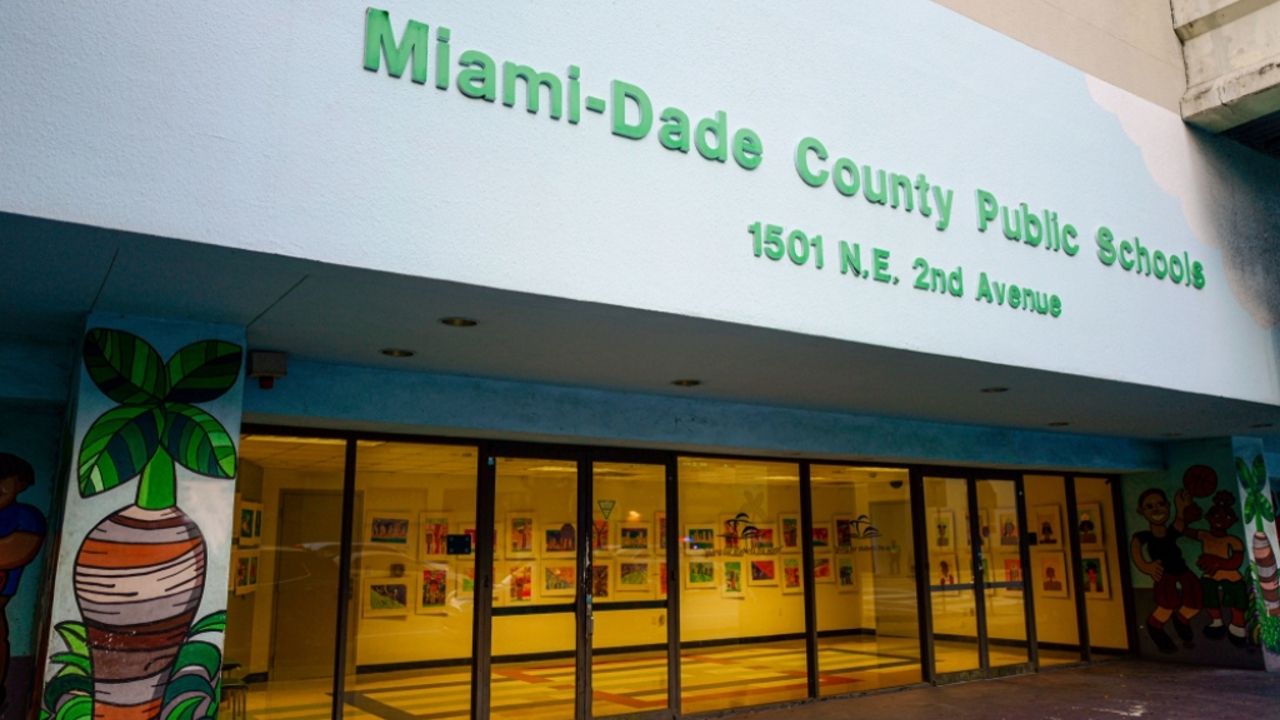
Miami dade school calendar Navigating the school year in Miami-Dade can be a smooth experience when you’re well-informed about the key dates in the school calendar. Whether you’re a parent, student, or educator, understanding the Miami-Dade school calendar is essential to planning your year effectively. In this comprehensive guide, we’ll dive into the important dates for the Miami-Dade school calendar 2024-2025, ensuring you’re prepared for everything from the first day of school to holidays and breaks. By staying informed, you can optimize your schedule to balance educational commitments with personal and family time. The Miami-Dade school calendar is more than just a schedule; it’s a framework that supports a thriving educational environment. It outlines not only when classes are in session but also when breaks and holidays occur, ensuring students and teachers have adequate time for both learning and rest. This balance is crucial for maintaining high levels of motivation and performance throughout the academic year. Furthermore, understanding these dates allows families and educators to plan vacations, professional development, and other activities without disrupting the educational process. The Miami-Dade school calendar is designed to provide a balance of instructional days, holidays, and professional development for teachers. It’s structured to ensure that students receive a quality education while also accommodating the needs of families and staff. The calendar is crafted with input from various stakeholders, ensuring it meets the diverse needs of the Miami-Dade community. Let’s take a closer look at what the academic year entails. The calendar is a tool that facilitates the smooth functioning of the school year by strategically placing holidays and breaks to maximize student and teacher effectiveness. It is designed to offer students a comprehensive educational experience while also allowing for the necessary downtime to prevent burnout. By considering factors such as state guidelines, community events, and educational requirements, the Miami-Dade school calendar serves as a carefully curated plan that supports the district’s educational goals. Start and End Dates The school year in Miami-Dade typically begins in mid-August and concludes in early June. For the 2024-2025 school year, classes are set to start on August 19, 2024, and the last day of school is scheduled for June 5, 2025. These dates are crucial for planning family vacations, summer camps, and other activities around the school year. Starting in mid-August allows students to dive into the curriculum before the busy holiday season begins, while an early June end date gives families ample time to enjoy summer activities. The start and end dates of the school year are more than just markers on a calendar; they set the pace for the entire academic journey. The mid-August start allows for a gradual acclimation to the school routine after summer break, while concluding in early June ensures a full academic year is completed before the summer heat peaks. This timeline is designed to optimize student learning and retention, positioning them for success as they advance to the next grade level. Important Holidays and Breaks Throughout the school year, several breaks and holidays are observed. These breaks provide students and teachers with much-needed time to rest and recharge. Let’s explore the key holidays and breaks in the Miami-Dade school calendar. Understanding these periods is essential for planning family activities and ensuring that students return to school refreshed and ready to learn. Holidays and breaks are strategically placed throughout the year to align with national observances and to cater to the needs of the school community. These breaks not only provide respite but also offer opportunities for enrichment activities, travel, and family bonding. They are integral to maintaining a healthy work-life balance for both students and educators, contributing to overall well-being and academic success. Labor Day Labor Day marks the first holiday of the school year, offering a long weekend for students and staff. In 2024, Labor Day falls on September 2nd, providing a welcome break after the initial weeks of school. This holiday is a perfect opportunity for families to enjoy a short vacation or simply relax at home, setting a positive tone for the rest of the school year. Labor Day serves as an important milestone early in the academic calendar. It allows students and teachers to catch their breath after the initial adjustment period of returning to school. This break helps to alleviate the stress that can accumulate during the first few weeks and provides a chance to regroup before diving deeper into the curriculum. It’s a well-timed pause that supports sustained engagement and enthusiasm for learning. Thanksgiving Break Thanksgiving is a cherished time for families to gather and celebrate. In Miami-Dade, the Thanksgiving break typically lasts for the entire week, from November 25 to November 29, 2024. This extended break allows families to travel and spend quality time together. It is also a time for reflection and gratitude, offering a pause before the busy holiday season. The Thanksgiving break is strategically placed to provide a significant rest period in the middle of the semester. This week-long break is not only about relaxation but also about cultural and family traditions that enrich students’ social and emotional development. For many, it’s an opportunity to disconnect from the academic rigors and reconnect with family, fostering a sense of community and belonging that is vital for personal growth. Winter Break The winter break is one of the longest breaks in the school calendar, starting on December 23, 2024, and ending on January 6, 2025. This two-week break is perfect for holiday celebrations, travel, and relaxation. It provides a much-needed pause after the completion of the first semester, allowing students and teachers to recharge and prepare for the second half of the academic year. Winter break is a vital period for rest and rejuvenation, offering a substantial pause in the academic calendar. It coincides with major holidays, providing students and families with the opportunity to engage in festive activities and traditions. This break is essential for maintaining mental health and well-being, giving everyone the chance to reset and return to school with renewed energy and focus. Spring Break Spring break offers another opportunity for students and teachers to unwind. For the 2024-2025 school year, spring break is scheduled for March 24-28, 2025. This week-long break is ideal for family vacations or simply enjoying the beautiful Miami weather. It comes at a time when both students and teachers can benefit from a pause in the academic schedule. Spring break is strategically placed to break up the second semester, providing a necessary respite before the final push towards the end of the school year. It is an opportunity for students to explore interests outside the classroom, whether through travel, hobbies, or spending time with friends and family. This break helps to alleviate stress and prevent burnout, ensuring that students return to school ready to tackle the remaining weeks with vigor. Memorial Day Memorial Day, observed on May 26, 2025, serves as the final holiday of the school year. This day honors the men and women who have served in the United States armed forces and provides a long weekend for students and staff. It is a time for reflection and gratitude, offering a moment to appreciate the freedoms and opportunities provided by those who have served. Memorial Day is not only a day off from school but also an important educational moment. It offers a chance for schools and families to discuss the significance of service and sacrifice, fostering a deeper understanding of history and civic responsibility. This holiday serves as a poignant reminder of the values we hold dear, rounding out the school year with a meaningful reflection on community and service. Teacher Planning Days and Early Release Days In addition to holidays and breaks, the Miami-Dade school calendar includes teacher planning days and early release days. These days are designed to give teachers time to prepare lessons, attend professional development sessions, and collaborate with colleagues. They are essential for maintaining high-quality instruction and supporting teacher growth and development. Teacher planning days and early release days are strategically placed to provide teachers with the time and resources they need to enhance their instructional practices. These days are crucial for curriculum development, assessment planning, and professional collaboration, ensuring that teachers are well-prepared to meet the diverse needs of their students. By investing in teacher development, the Miami-Dade school district supports a culture of continuous improvement and educational excellence. Teacher Planning Days Teacher planning days are typically scheduled throughout the school year. These days are non-student days, meaning students do not attend school. For the 2024-2025 school year, teacher planning days are set for: These days provide teachers with valuable time to focus on instructional planning and professional growth. They offer an opportunity for educators to reflect on their teaching practices, collaborate with colleagues, and engage in professional development activities that enhance their skills and knowledge. Teacher planning days are integral to the professional development cycle, allowing educators to stay current with educational trends and best practices. They offer a dedicated time for teachers to analyze student data, adjust instructional strategies, and develop innovative lesson plans. This focused time is essential for fostering a dynamic and responsive educational environment that meets the needs of all students. Early Release Days Early release days allow students to leave school earlier than usual, giving teachers additional time for planning and professional development. During the 2024-2025 school year, early release days are scheduled for: These days help maintain a balance between instructional time and professional development for educators. Early release days provide a critical opportunity for teachers to engage in collaborative planning, data analysis, and targeted professional learning that directly impacts student achievement. By allowing students to leave school early, teachers gain valuable time to focus on improving their instructional practices. These days are designed to be intensive and targeted, addressing specific areas of need identified through student performance data and teacher feedback. The insights gained during early release days translate into enhanced classroom experiences and improved educational outcomes for students. How to Stay Informed Staying informed about the Miami-Dade school calendar is essential for effective planning. Here are some tips to ensure you have the latest information: Conclusion The Miami-Dade school calendar for 2024-2025 is packed with important dates that impact students, families, and educators. By understanding the key dates, including the start and end of the school year, holidays, breaks, and teacher planning days, you can plan effectively and ensure a successful academic year. Staying informed about these dates allows for better time management and reduces the stress associated with last-minute planning. Whether you’re scheduling a family vacation, preparing for the first day of school, or attending a parent-teacher conference, having a clear understanding of the Miami-Dade school calendar is essential. Stay informed, stay organized, and make the most of the school year ahead. With the right information and planning, you can create a balanced and fulfilling academic experience for everyone involved. next post source
-
 Continue reading →: Alabama high school football player dies
The world of high school sports has been struck by tragedy as news emerges of the untimely death of a young athlete from Alabama. This incident has sent shockwaves through the community, leaving many to ponder the risks associated with high school football. It is a stark reminder of the vulnerabilities that student-athletes face, prompting a deeper examination of the safety protocols currently in place. In this article, we will explore the details surrounding the incident, the response from the community, and the broader implications for high school sports. We aim to understand the multifaceted impact of such a tragedy and how it influences the future of youth sports. On a seemingly ordinary game day, a high school football player from Alabama tragically lost his life. The young athlete, whose identity is being protected out of respect for his family, was known for his passion for the sport and his dedication to his team. He was a promising talent, admired by coaches and peers alike for his commitment both on and off the field. The incident occurred during a regular-season game, where the player collapsed on the field. Immediate medical attention was provided, and he was swiftly transported to a nearby hospital. Despite efforts from medical personnel, the player was pronounced dead shortly after his arrival. The suddenness of the event has left the community grappling with shock and grief, highlighting the unpredictable nature of sports-related incidents. Medical Examination and Investigation The cause of death has not yet been officially confirmed, and an autopsy is being conducted to determine the exact circumstances. While it is premature to speculate, initial reports suggest that the incident may have been related to an underlying medical condition. Such incidents underscore the necessity for comprehensive medical screenings for athletes to detect any potential health issues. Local authorities, along with the school district, have launched an investigation to ensure that all safety protocols were adhered to during the game. They have also called for a review of current safety measures to prevent such tragedies in the future. This involves revisiting the emergency response procedures and ensuring that all involved parties are adequately trained to handle similar situations. Community Response The community has been deeply affected by the loss of this young athlete. Vigils and memorials have been organized by the school and local residents to honor his memory. These events have served as a means for the community to come together, offering support and solidarity to the grieving family. The collective mourning highlights the interconnectedness of the community and the shared sense of loss. Support from Peers and Teammates Teammates and friends of the deceased have been particularly impacted by the tragedy. Many have taken to social media to share heartfelt tributes and memories of their friend, showcasing the profound impact he had on those around him. The outpouring of emotions reflects the camaraderie and bonds formed within sports teams, which often transcend the game itself. The school has provided counseling services to help students cope with the emotional toll of the incident. Coaches and school officials have emphasized the importance of community support during this difficult time. They have encouraged students to lean on each other and to seek help if they are struggling to process the loss. This support network is crucial in helping young individuals navigate their grief and begin the healing process. Broader Implications for High School Sports The tragic passing of this young athlete has reignited discussions about the safety of high school football. While the sport is beloved by many, it is not without its risks. The incident has prompted a reevaluation of the balance between the benefits of sports participation and the potential dangers involved. Safety Concerns in High School Football High school football is known for its physical demands and the potential for injuries. Concussions, heat-related illnesses, and cardiac events are some of the risks associated with the sport. The incident in Alabama has prompted many to question whether enough is being done to protect young athletes. Concerns have been raised about the adequacy of current protective gear and the effectiveness of existing safety protocols. In recent years, there have been calls for more stringent safety measures, including improved protective gear, better training for coaches on recognizing and responding to medical emergencies, and stricter regulations on practice intensity. The dialogue around safety is crucial in fostering an environment where the well-being of student-athletes is prioritized. The Role of Schools and Governing Bodies Schools and governing bodies play a crucial role in ensuring the safety of student-athletes. They are responsible for implementing safety protocols, providing medical support during games, and educating players about the risks involved in the sport. This responsibility extends to ensuring that all stakeholders are well-informed and prepared to address any potential threats to player safety. The Alabama High School Athletic Association (AHSAA) has expressed its commitment to reviewing current safety guidelines and making necessary adjustments to prevent similar incidents in the future. This includes a potential reevaluation of medical screening processes for athletes and the provision of additional resources for schools to enhance player safety. It is imperative that these organizations take proactive measures to safeguard the health and safety of their athletes. Moving Forward The loss of a young athlete is a tragedy that no community should have to endure. As the investigation continues, it is crucial for all stakeholders to come together to ensure the safety and well-being of high school athletes. There is a collective responsibility to learn from this incident and implement changes that will prevent future occurrences. Community Healing and Support In the wake of this tragedy, it is vital for the community to come together to support one another. Healing takes time, and it is important for individuals to reach out for help if they are struggling. The role of community leaders, educators, and counselors is pivotal in guiding the healing process and ensuring that those affected receive the support they need. The school has planned a memorial service to celebrate the life of the young athlete and to provide an opportunity for the community to gather in solidarity. This event will serve as a reminder of the importance of cherishing each moment and supporting one another in times of need. It is a testament to the strength and resilience of the community in the face of adversity. Continued Focus on Athlete Safety Moving forward, there must be a continued focus on enhancing the safety measures in high school sports. This includes ongoing education, policy updates, and the implementation of best practices to protect young athletes. It is essential that safety remains at the forefront of discussions surrounding high school sports to ensure that athletes can participate in a secure and supportive environment. As the discussion around high school football safety continues, it is essential for all involved to work collaboratively to create a safer environment for student-athletes. By prioritizing safety, we can honor the memory of those lost and ensure a brighter future for all athletes. This collaborative effort is vital in fostering a culture of safety and prevention in youth sports. In conclusion, the death of a high school football player in Alabama is a somber reminder of the risks associated with the sport. As we mourn the loss of this young life, let us also commit to making the necessary changes to protect and support our student-athletes. By doing so, we can help prevent future tragedies and foster a safer, more supportive environment for all involved in high school sports. next post source